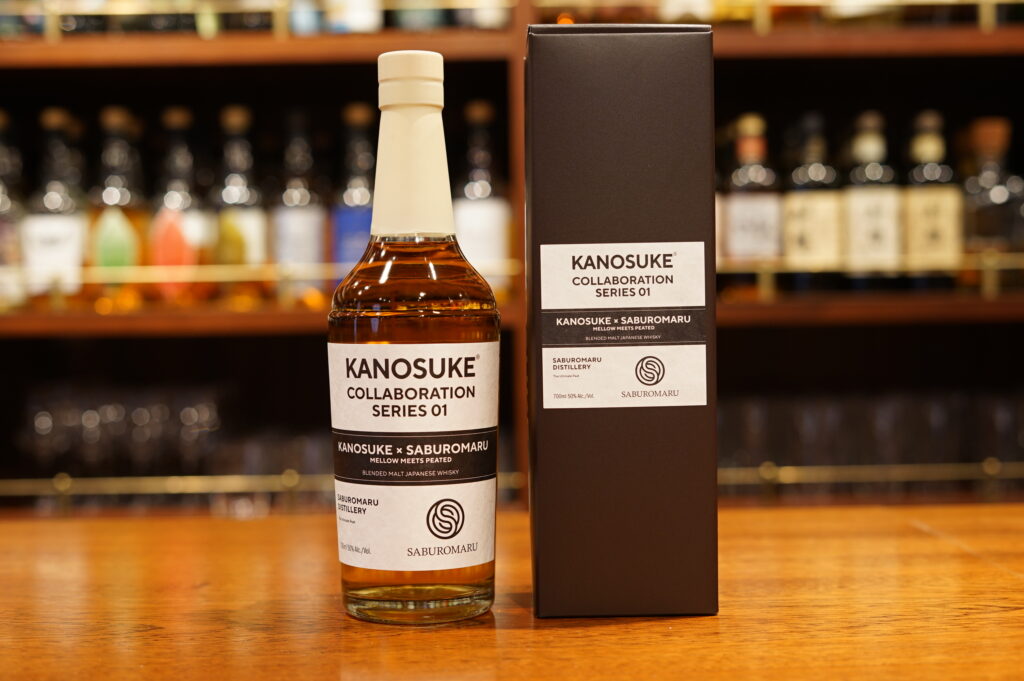


A special whisky created through a barrel exchange between Saburomaru Distillery and Kanosuke Distillery.
Saburomaru Distillery in Toyama Prefecture and Kanosuke Distillery in Kagoshima Prefecture. This is a collaborative project between these two distilleries.
Their shared goal is to “create a whisky with a distinctive character that can compete on the world stage.”
And beyond that, to “expand the possibilities and diversity of Japanese craft whisky.”
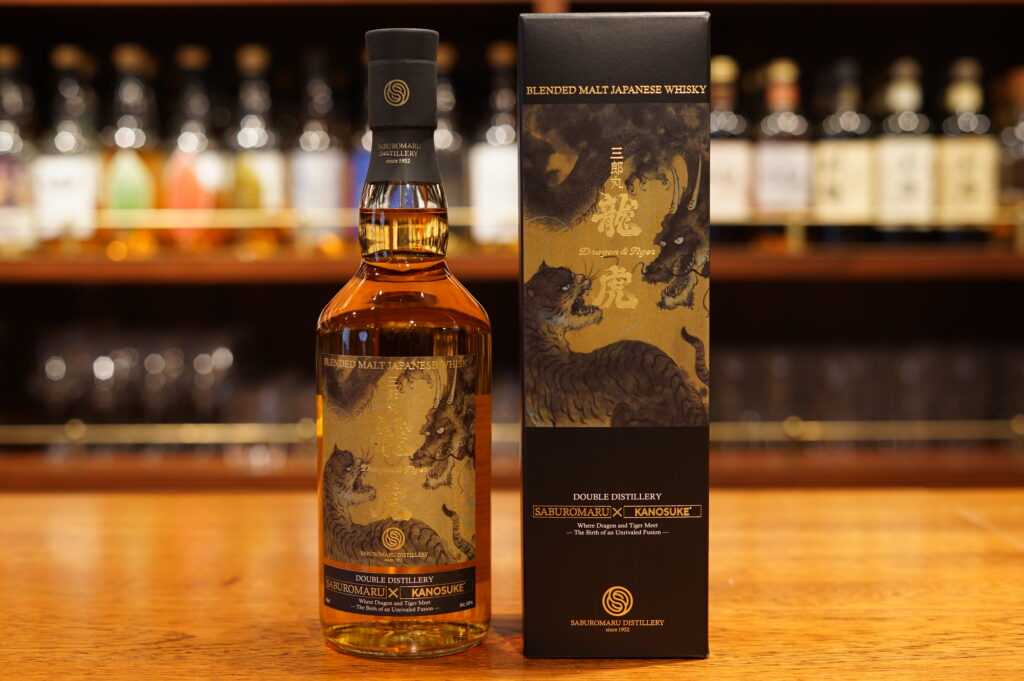
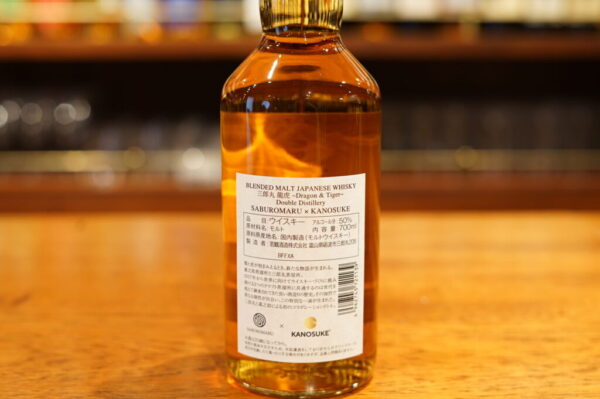
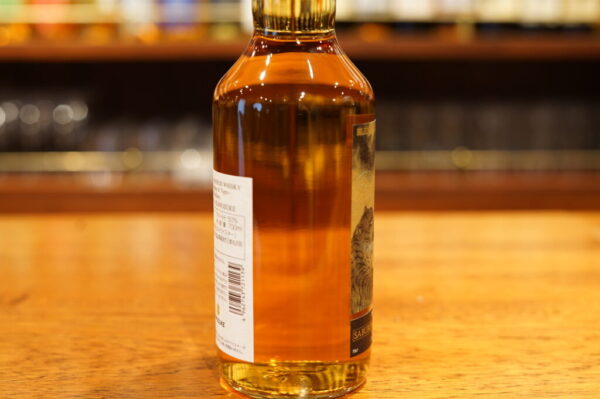
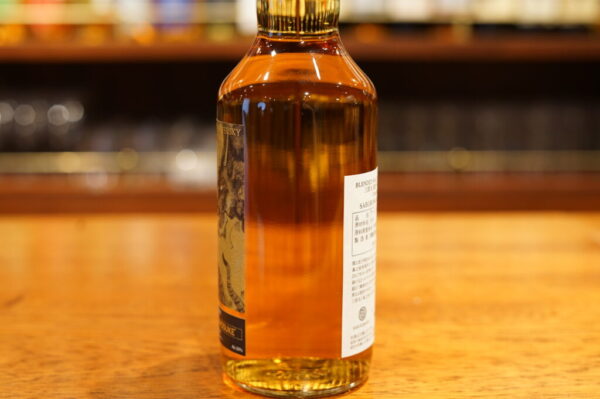
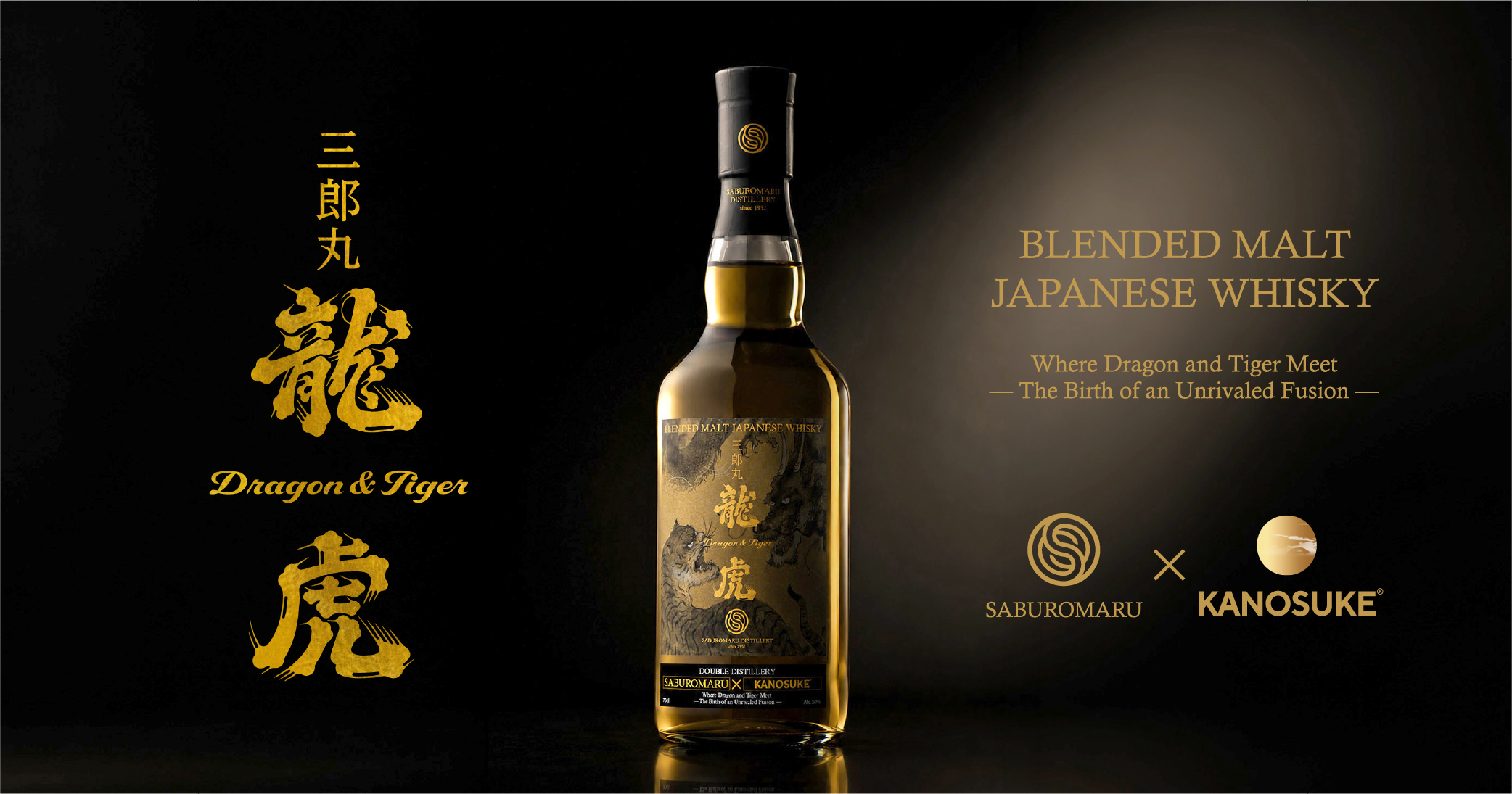
1. Photos of the bottle and label
Saburomaru Ryuko ~DOUBLE DISTILLERY~ SABUROMARU × KANOSUKE
Saburomaru Ryuko ~DOUBLE DISTILLERY~ SABUROMARU × KANOSUKE
 |
 |
 |
 |
2. Saburomaru Ryuko ~DOUBLE DISTILLERY~ SABUROMARU × KANOSUKE

When the dragon and the tiger meet, a new story is born.
The Kanosuke Distillery and the Saburomaru Distillery.What these two craft distilleries—which have been challenging themselves to craft whisky for the world since 2017—have in common is a long history of distilling passed down across generations. When their intense and distinct personalities met, this special drop was born. The first collaborative bottle from Saburomaru and Kanosuke.
Saburomaru Distillery used base spirits made from heavily peated malt and aged in bourbon barrels and toasted oak barrels. These were blended in perfect balance with Kanosuke Distillery’s unpeated, bourbon-barrel-aged base spirits.
Mellow meets Peated.
Born from the interplay of contrasting personalities,a one-of-a-kind new expression.
Tasting NotesAroma: A moist, fruity aroma reminiscent of Japanese citrus, combined with pleasant oak notes of chocolate and cinnamon. The smoky flavor, which defines the profile and adds depth, gradually takes on a refreshing sea breeze.Taste: A deep, bittersweet flavor reminiscent of old wood gives way to a malty, toasty, and full-bodied sweetness, followed by a long-lasting finish reminiscent of grapefruit with a hint of smokiness.Overall Impression: A Japanese blended malt in which a multi-layered, robust smokiness engages in a dynamic interplay with a flavor profile characterized by expansive richness and citrus-like freshness, resulting in a harmonious balance.
2-1. Tasting Notes
| Aroma | Kumquat, chocolate banana, well-aged leather, deep-steamed green tea |
| Taste | Tortoiseshell candy, toasted bread, Salty Dog, sweet spices such as cloves |
| Finish | Smoked citrus and roasted sweetness linger for a long time, accompanied by a smoky saltiness |
2-2. Product Specifications
| Alcohol Content | 50% |
| Type | Vatted Malt Japanese whisky |
| Barrel Type | Saburomaru bourbon barrels, toasted barrels Kanosuke’s unpeated, bourbon barrel-aged spirit |
| Design | Ryuko Illustration: Jun Amayagi-do Label Design: Mayumi Nakayama |
| Volume | 700 ml |
| Number of Bottles Sold | Unknown |
| Suggested Retail Price | 22,000 yen (tax included) |
| Release Date | June 18, 2026 |
3. Awards
No awards have been received to date.
4. List Price and Online Prices
4-1. Manufacturer’s Suggested Retail Price

| Product Name | Saburomaru Ryuko ~DOUBLE DISTILLERY~ SABUROMARU×KANOSUKE |
| Volume | 700 ml |
| Suggested Retail Price | 22,000 yen (tax included) |
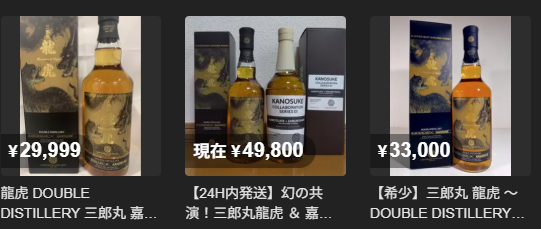
4-2. Resale Price on Mercari
The resale price on Mercari is around 30,000 yen. (*As of June 24, 2026)
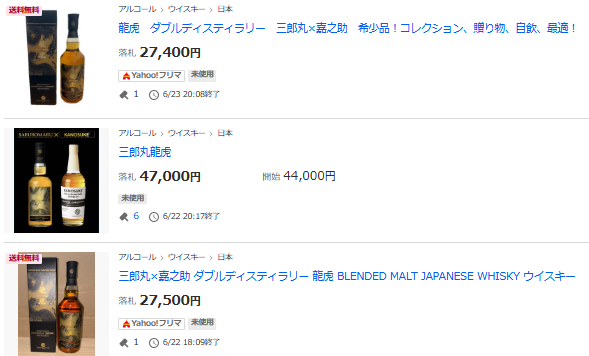
4-3. Winning Bid Prices on Yahoo! Auctions
We have confirmed winning bids on Yahoo! Auctions of around 27,000 yen. (As of June 24, 2026)
4-4. Rakuten, Yahoo! Shopping, and Amazon
We were unable to confirm that this item is currently for sale on online shopping sites such as Rakuten. (As of June 24, 2026)

 ポチップ
ポチップ
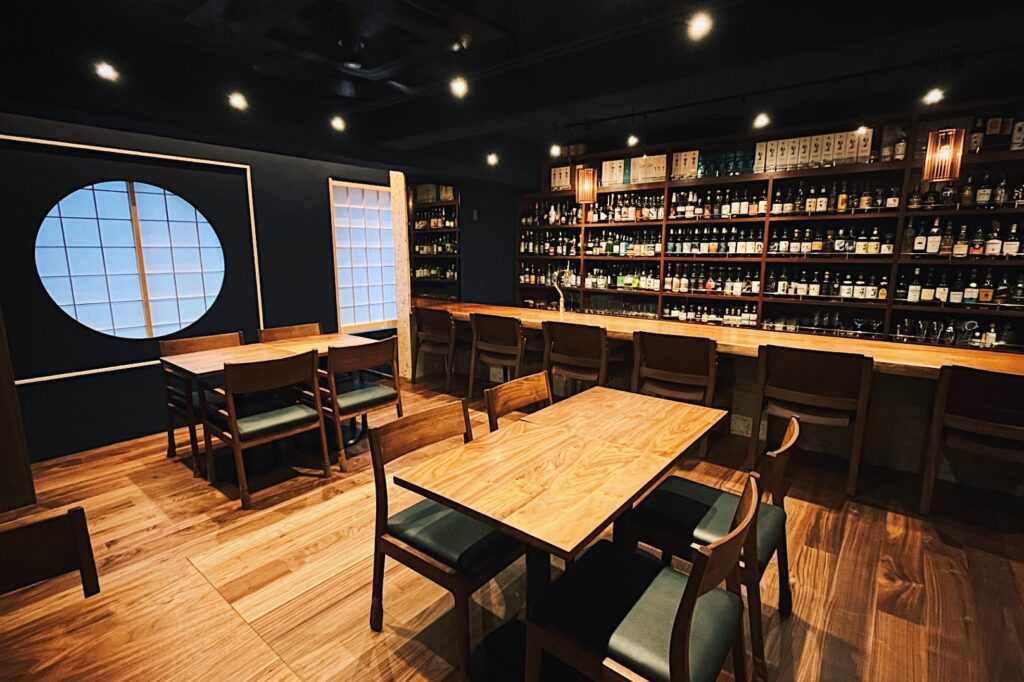
4-5. Prices at BAR Shinkai
At “BAR Shinkai,” operated by this site, we serve this drink at the following prices: 45 ml for 5,610 yen, 30 ml for 3,740 yen, and 15 ml for 1,870 yen.

5. Manufacturer
Wakatsuru Shuzo Co., Ltd.
| Established | 1862 |
| Headquarters | 208 Saburomaru, Tonami City, Toyama Prefecture 939-1308 |
| Distilleries Owned | Saburomaru Distillery |
6. Distillery
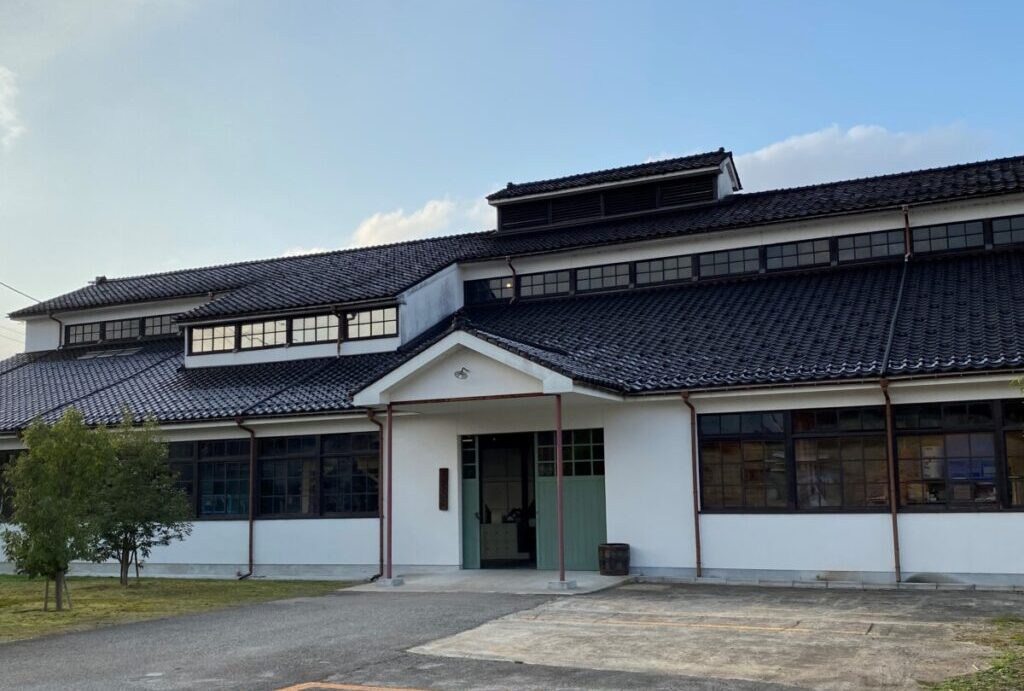
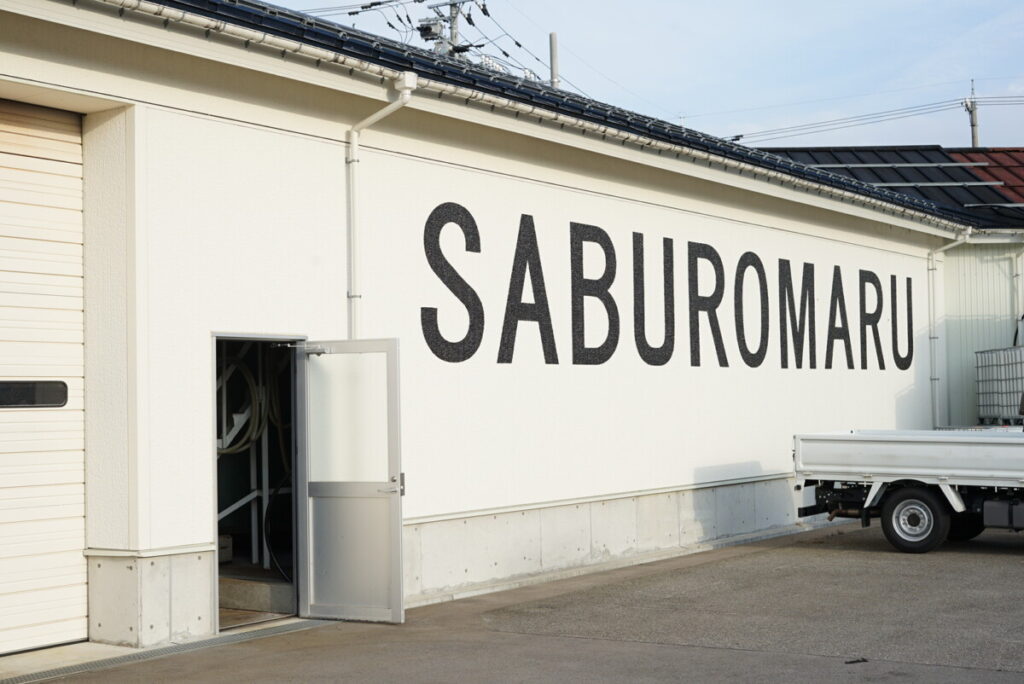
Saburomaru Distillery
| Location | 208 Saburomaru, Tonami City, Toyama Prefecture 939-1308 |
| Start of Operations | 1953 (Renovated in 2016) |
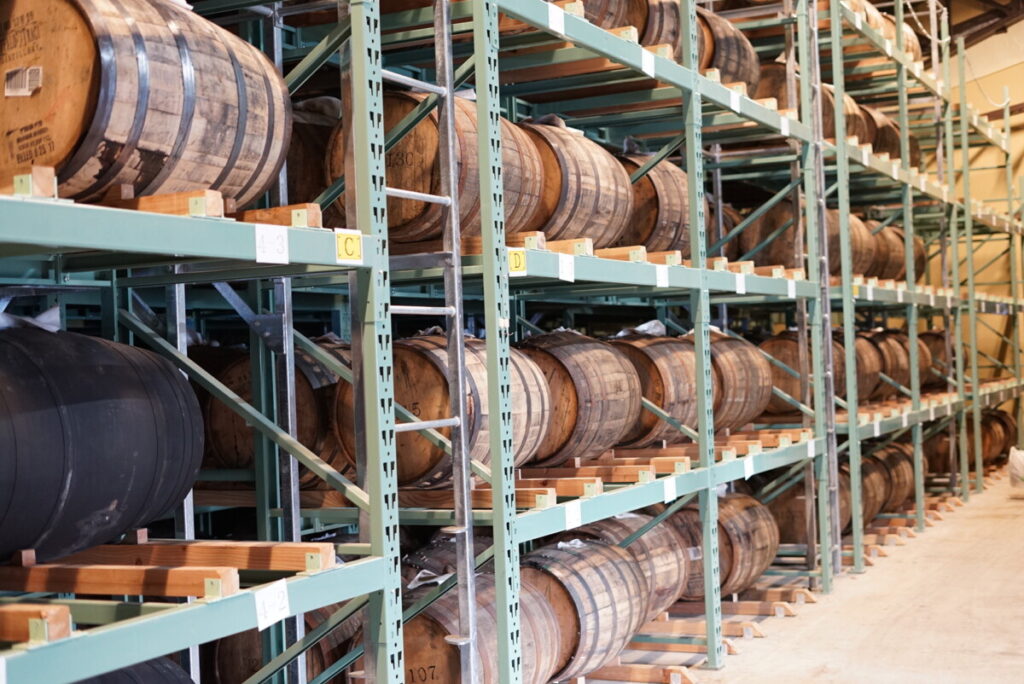
Founded in 1952, this is the only distillery in the Hokuriku region.
Although it is a Sake Brewery, it obtained a whisky production license in 1952 amid postwar rice shortages. Since then, it has operated by brewing sake in the winter and distilling whisky during the rest of the year.
During its revival in 2016, the distillery achieved great success through crowdfunding. It has garnered significant attention as the distillery that served as the model for the film “Welcome to Komada Distillery”—a facility open to visitors and located just a short walk from the train station.
From the very beginning, the distillery has been committed to producing smoky whisky and is a rare craft distillery that can source Islay peated malt.
Furthermore, the distillery actively invests in new and additional equipment. Its “Saburomaru Single Malt Series,” inspired by tarot cards, expresses the “The Growth of Soul(Spirits),” and has been gaining a loyal following by using base spirits that are updated year after year.
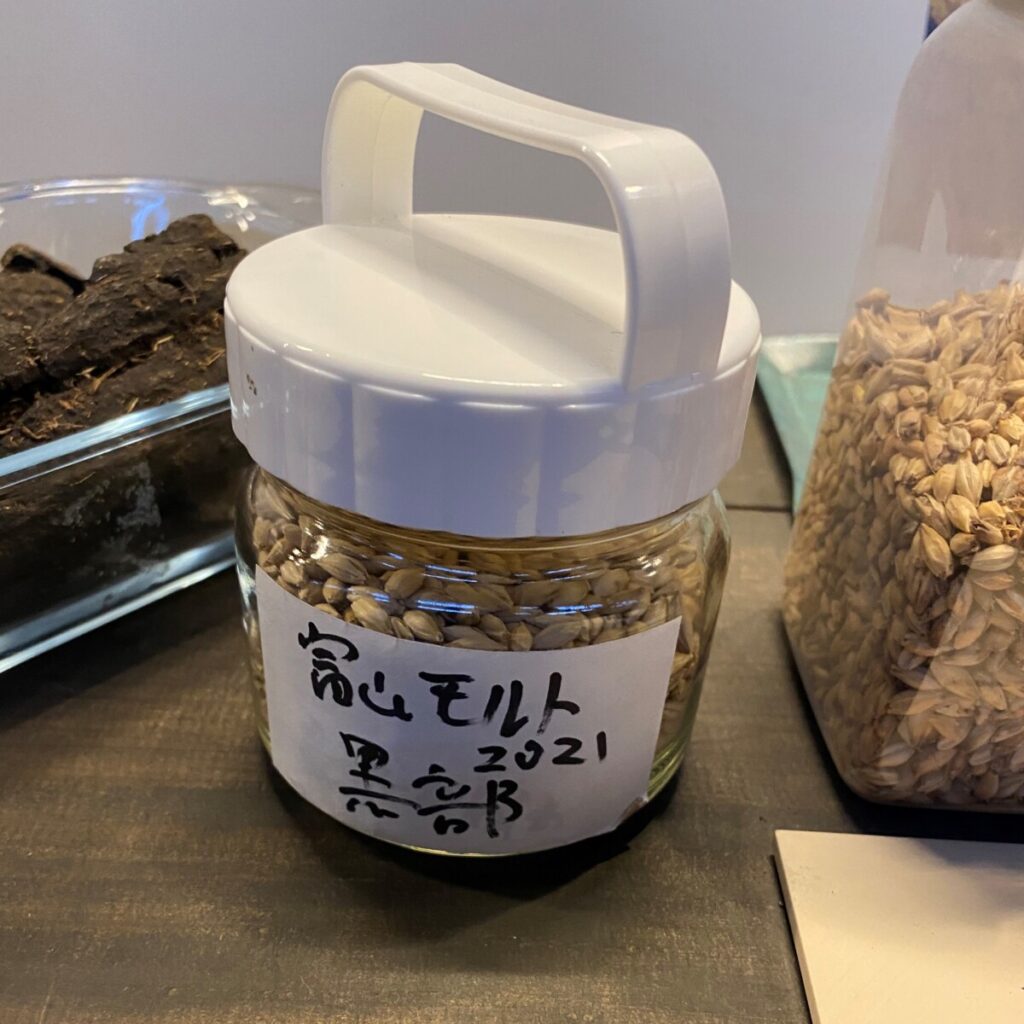
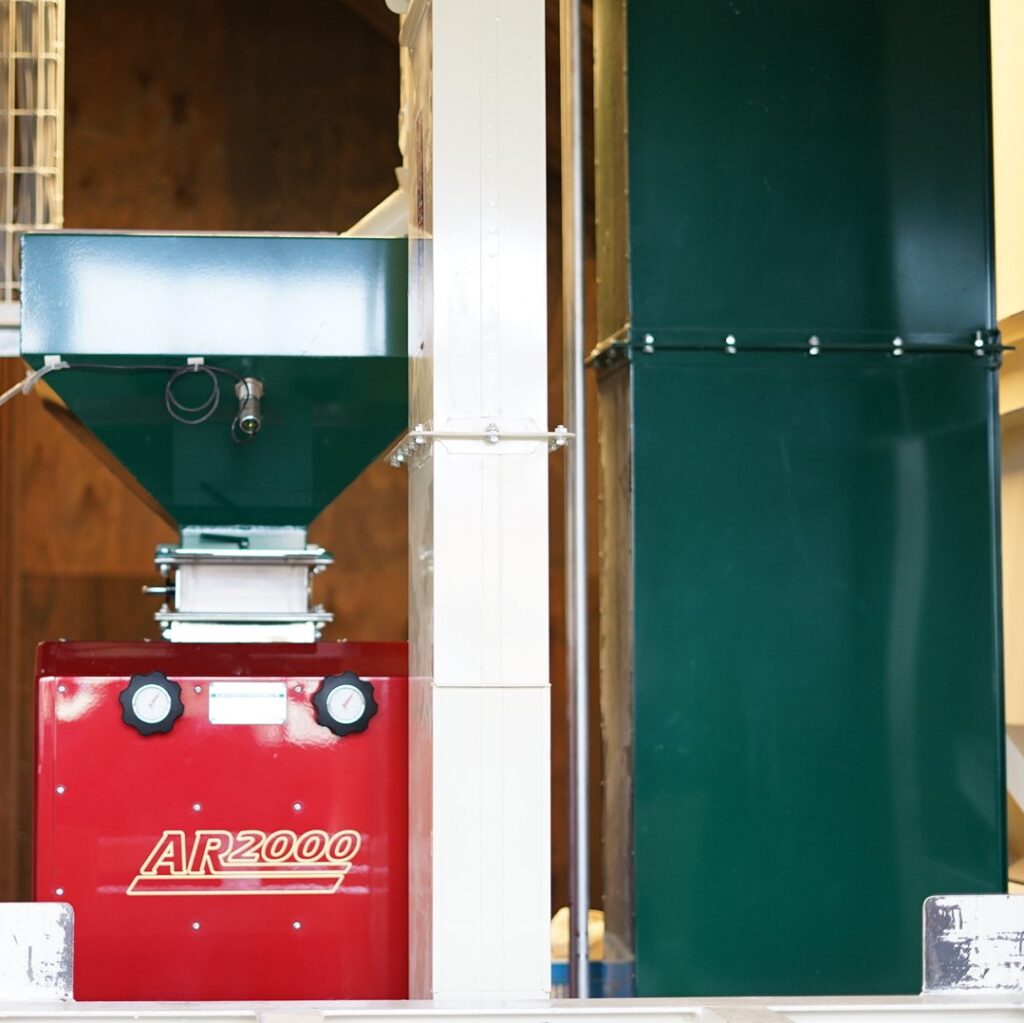
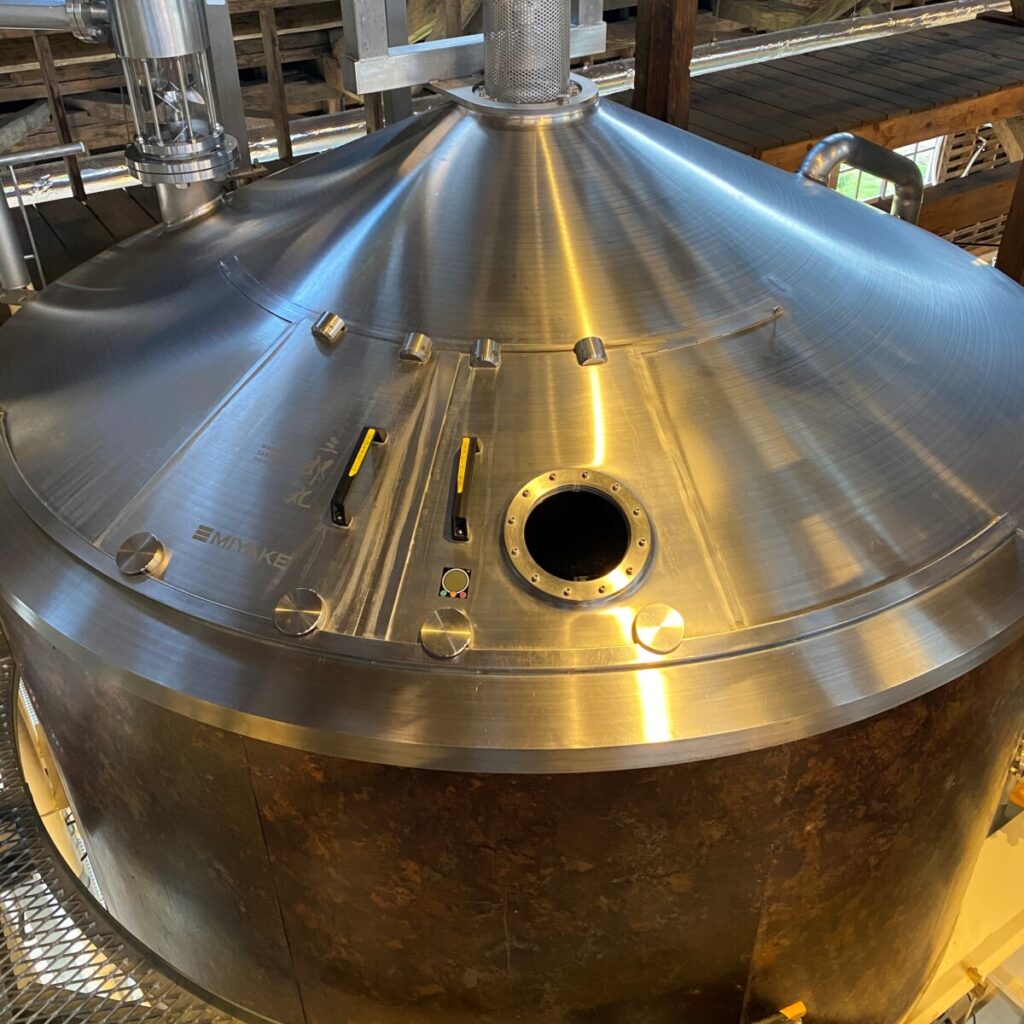
| Fiscal Year | Malt | Mash tun | Yeast | Fermentation Tank | Still |
| Before 2016 | Highland peat | A mashtank from half a century ago | Beer only | Enamel | Old |
| 2017 | Ale + whisky | Old, Modified | |||
| 2018 | Miyake Manufacturing | ||||
| 2019 | ZEMON |
||||
| 2020 |
Highland Peat+
|
Enamel Wooden Barrel |
|||
| 2021 | Aged Ale + whisky |
||||
| 2022 | Enamel Wooden Barrels × 2 |
||||
| 2023 | Miyake Manufacturing Used up to the third wort |
Pressed yeast + ale + whisky |
|||
| 2024 | |||||
| 2025 |
|
||||
| 2026 |
|
A major difference from other distilleries is the adoption of “ZEMON”, the world’s first cast-iron pot still.
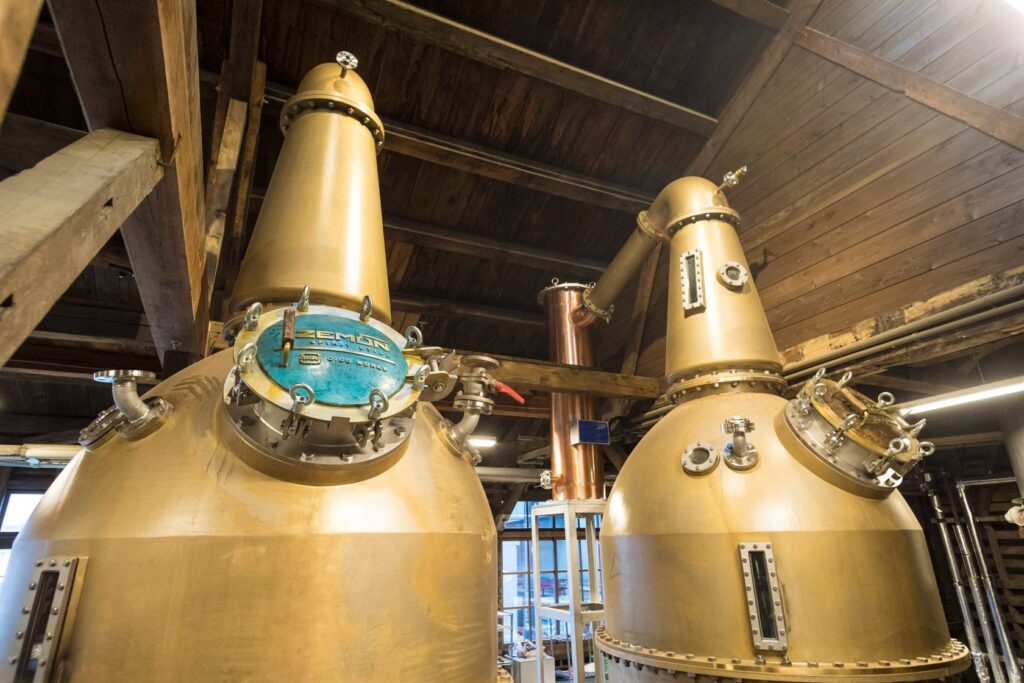
It has three major features.
① The casting process allows for mold-based shaping, enabling production with short lead times. Additionally, it allows for sufficient wall thickness at a low cost, which is expected to extend the lifespan of the unit.
② The freedom of form allowed by casting enables the production of a wide variety of spirit profiles.Furthermore, the modular design—with each part as a separate unit—allows for the replacement of only worn-out components and facilitates functional upgrades.
③ It is made from a copper-tin alloy containing approximately 90% copper and 8% tin. Tin is a high-grade metal that trades at about three times the price of copper.
Since ancient times, tin has been said to mellow the flavor of sake and has been used in sake vessels and shochu coolers. ZEMON contributes to the productionof high-quality distilled spirits through the combined effects of copper and tin.
Source: Wakatsuru Shuzo Official Website
 |
 |
 |
 |
 |
 |
 |
 |
Please also see the information on the Saburomaru Distillery below.

7. Summary
Saburomaru Distillery and Kanosuke Distillery. These two craft distilleries have been active since the dawn of Japanese craft whisky. This release was born from the fusion of their respective unique characteristics.
Saburomaru is known for its rich, robust, and smoky flavors, which harmonize beautifully with the citrus-tinged nuances developed through aging and the soft, citrus-like sweetness produced by Kanosuke.
Could this mark the first step toward a new phase for Japanese craft whisky—moving beyond an era where distilleries competed based on their individual characteristics to one where they leverage each other’s techniques and base spirits?
Let’s look forward to seeing if there will be more collaborations with other distilleries in the future.
■ Be sure to check out our other articles on “Saburomaru Distillery.”
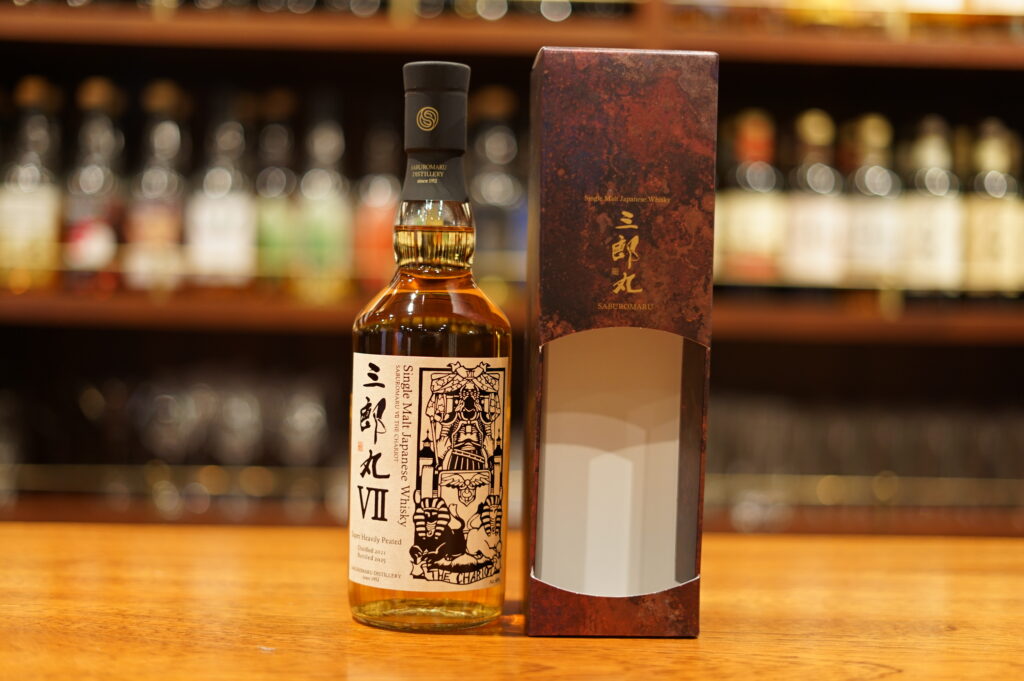
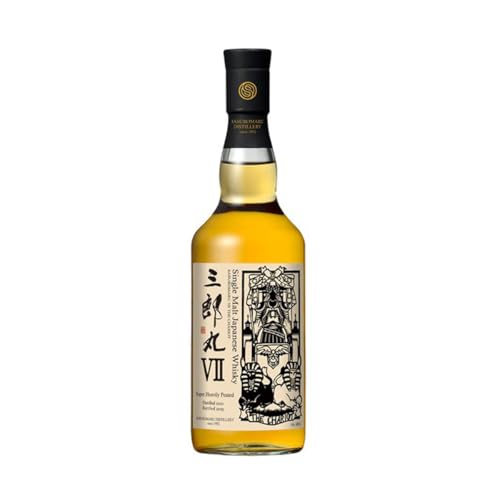
https://jpwhisky.net/saburoumaruⅷ-strength-55727/

Lastly: Recommended Books on Japanese Whisky
If you want to learn more about Japanese whisky, which is a global trend, we highly recommend these books.
(1).Whisky Galore Vol.29 December 2021 issue
In the December 2021 issue of Whisky Galore, published by the Whisky Culture Research Institute, we report on 11 Japanese craft distilleries, including some that are open to the public for the first time, under the title of “Japanese Whisky Craft Frontline,” the first of three consecutive issues. Why did the popularity of Japanese whisky and the craft boom occur? We will examine with interviews. Chichibu Distillery / Chichibu No.2 Distillery / Mars Shinshu Distillery / Mars Tsunuki Distillery / Kanosuke Distillery / Hioki Distillery / Ontake Distillery / Osuzuyama Distillery / Kaikyo Distillery / Hanyu Distillery / Konosu Distillery

(2). Japanese Whisky as an Education for Business
This is a book written by Mamoru Tsuchiya, a world-famous whisky critic and representative of the Whisky Culture Research Institute, titled “Japanese Whisky as a Culture that Works for Business” .
The book covers the basics of whisky, the introduction of whisky to Japan, the birth of Japanese whisky, advertising strategies and the rise of Japanese whisky, and the current rise of craft distilleries. This is a book that summarizes Japanese whisky in a very easy to understand way.

(3). Whisky and I (Masataka Taketsuru)
Masataka Taketsuru, the founder of Nikka Whisky, devoted his life to brewing whisky in Japan. This is a revised and reprinted version of the autobiography of a man who simply loved whisky and talked about himself. The book vividly depicts the days when he went to Scotland alone to study as a young man and overcame many hardships to complete Japanese whisky, as well as his companion, Rita.
(4). A Letter of Challenge from a New Generation Distillery
Launching in 2019. With the world experiencing an unprecedented whisky boom, what were the managers of craft distilleries thinking and what were their thoughts as they took on the challenge of making whisky? This book tells the stories of 13 craft distillery owners, including Ichiro Hido of Venture Whisky, famous for his Ichirose Malt, who inspired the birth of craft distilleries in Japan.
(5). Whiskey Rising
This is the Japanese version of Whisky Risng, published in the US in 2016, with much updated content. Not only does it describe the history of Japanese whisky in detail, but it also includes data on all the distilleries in Japan, including the craft distilleries that have been founded in recent years. The book also includes descriptions of the legendary bottles that have been released, as well as information on bars where Japanese whisky can be found.